IRA Biotech
Agriculture
Biofertilizers fix atmospheric nitrogen, solubilize phosphates, mobilize potash and release essential micronutrients — the result is better yields, improved resilience to stress, and healthier, residue-free produce.
Chemical fertilizers, pesticides and synthetic growth enhancers built modern yields — at a cost that's now showing up as soil degradation, biodiversity loss, water contamination and rising greenhouse-gas emissions. Here's what switches when the input is biological instead.
Five costs that compound season after season.
One shift in the input, a different result in each system, and one effect that runs through all of them.
Biofertilizers fix atmospheric nitrogen, solubilize phosphates, mobilize potash and release essential micronutrients — the result is better yields, improved resilience to stress, and healthier, residue-free produce.
Microbial probiotics improve water quality, suppress harmful pathogens, enhance nutrient cycling and boost the immunity of fish and shrimp — reducing costs and improving survival rates across a growing cycle.
Probiotics reduce dependence on antibiotics, improve digestion, enhance immunity and increase milk and meat productivity — the basis for antibiotic-free farming.
Microbes reduce BOD, COD, coliform levels and foul odors in polluted water — a biological alternative to chemical treatment for sewage and shared water bodies.
Across all four, the same shift reduces methane emissions, enhances carbon sequestration in soil, and opens up carbon-credit potential that a chemical-first program doesn't.
IRA Biotech's own catalog is built and scoped around two of these — Agriculture and Aquaculture (see the full product catalog). Livestock and water-remediation content above reflects the company's stated position, not a current product line.
Chemical fertilizers and pesticides can cause soil degradation, biodiversity loss, water contamination, rising greenhouse-gas emissions and increasing pesticide resistance. Biofertilizers instead fix atmospheric nitrogen, solubilize phosphates, mobilize potash and release essential micronutrients — improving yields and resilience without those costs.
Yes. Microbial probiotics improve water quality, suppress harmful pathogens, enhance nutrient cycling and boost the immunity of fish and shrimp — reducing costs and improving survival rates across a growing cycle.
IRA Biotech's own catalog is currently built and scoped around two platforms — Agriculture and Aquaculture. The livestock and water-remediation benefits of biological inputs reflect the company's stated position, not a current IRA Biotech product line.
Across agriculture, aquaculture, livestock and water remediation, switching to biological inputs reduces methane emissions, enhances carbon sequestration in soil, and opens up carbon-credit potential that a chemical-first program doesn't.



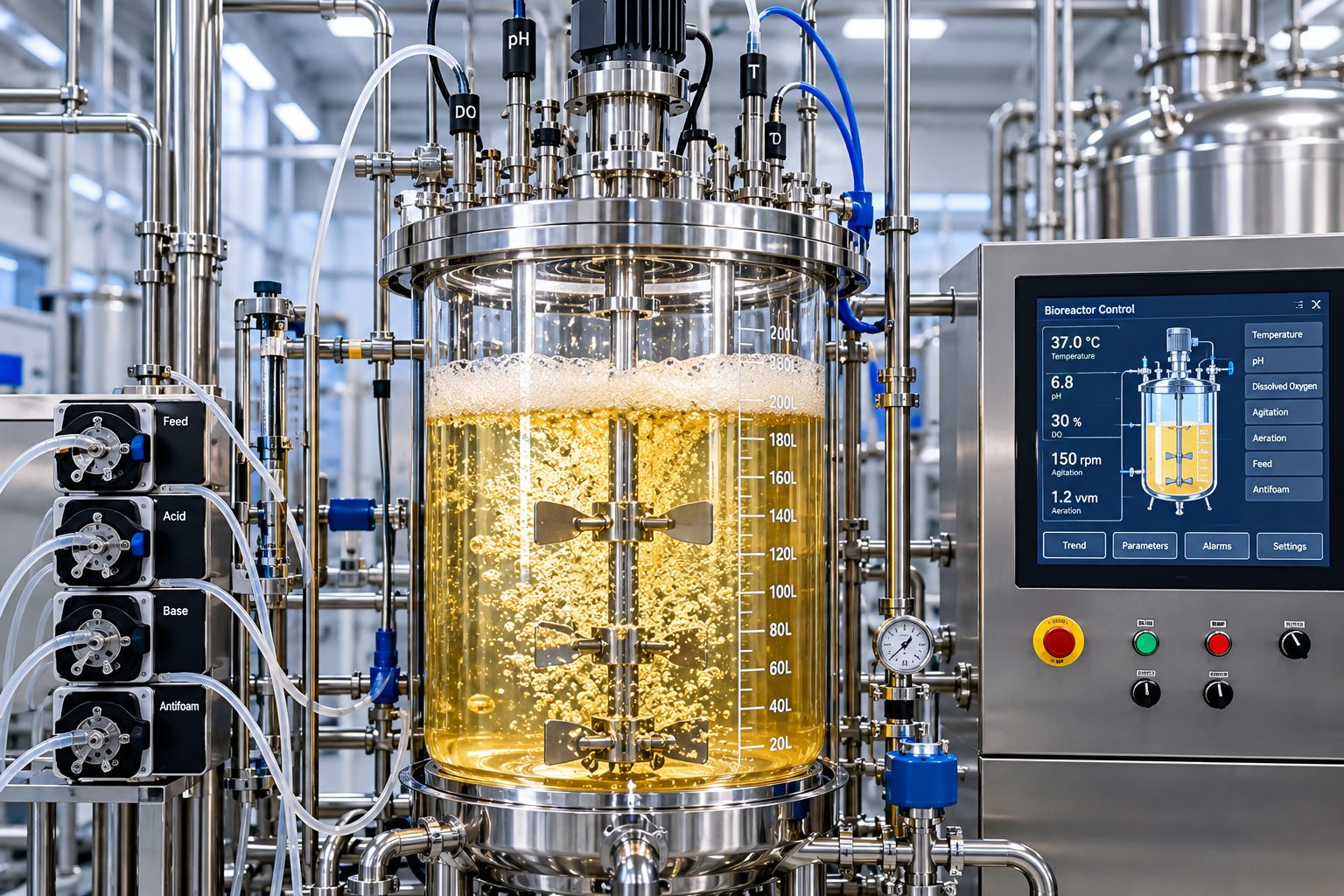
54 bio-based formulations across Agriculture and Aquaculture, manufactured in-house.
Certified & registered